Kong Tractors: Turn Model-Specific Curiosity into Useful Equipment Publishing
November 11, 2026 · Build Journal · Industry Army Marketing · 3 min read
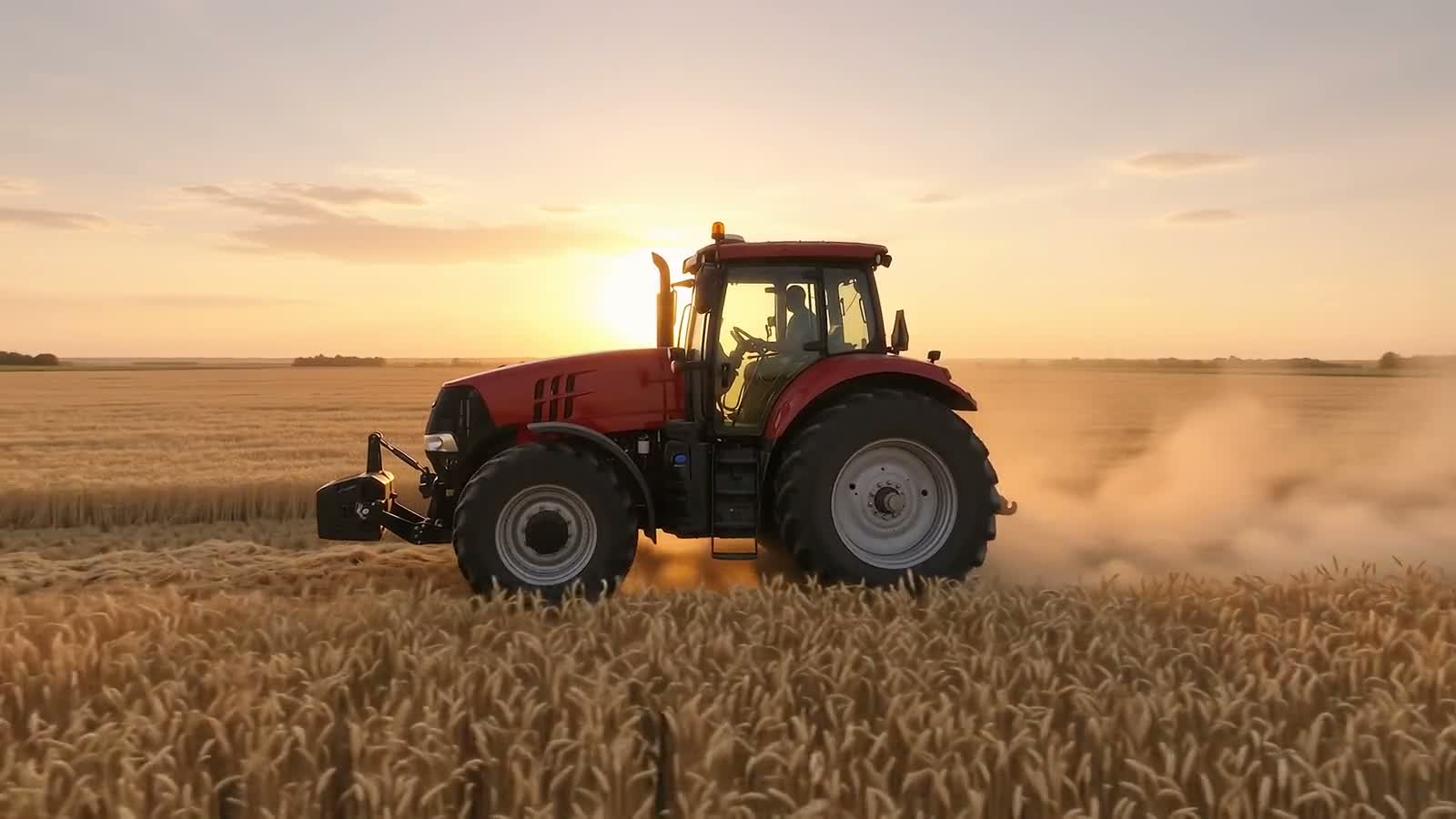
Kong Tractors — illustrative poster from its owner-approved website artwork. Equipment model, ownership and field results are not verified by this image.
A tractor model can give an article a precise subject without giving it permission to promise performance. The editorial opportunity for Kong Tractors is to use that specificity to organise useful questions: what work is planned, which configuration matters, and what needs confirmation? Its equipment journal provides starting points. The next step is a repeatable publishing approach that keeps reader education separate from equipment availability and commercial enquiries.
Start with a model, then identify the decision
The Kong homepage presents a Kubota LX2620 owner guide around loader limits, ballast planning, attachment fit and maintenance checks. Its New Holland T4 Electric Power notebook takes a different angle: task planning, charging and the supported package. Those are distinct editorial assignments, not interchangeable tractor profiles.
For future coverage, give each article one central decision. An attachment story should help readers prepare compatibility questions; an electric-equipment story should organise the work and charging brief. Avoid expanding either into a general verdict about the machine.
Keep the configuration boundary visible
Kong’s John Deere 9RX notebook explicitly separates an autonomous tillage reveal from the exact machine, implement, supervision and support package. Its JCB Fastrac 6300 story points readers toward the fitted hydraulic package, mixed work and actual support arrangement. This gives the publishing programme a useful principle: name the configuration question before offering a conclusion.
An editorial brief should therefore distinguish the model being discussed from the equipment actually being considered. Where evidence does not establish a specification or capability, turn the gap into a clearly labelled question rather than filling it with an assumption.
Connect the article to the work brief
Kong’s equipment guidance asks tractor customers to describe terrain, gates, slopes and access limits. For skid-steer work, it asks about working space, access width, ground conditions and material destination. Excavator guidance adds depth, reach and material. These details offer more useful article endings than a generic invitation to hire.
A model-specific article could close with a short, job-relevant checklist drawn from that guidance. Keep the checklist selective: access and attachment questions for one subject, depth and reach for another. The goal is a clearer enquiry, not a repeated catalogue of every equipment service.
Do not let editorial interest imply availability
The site says its equipment imagery is illustrative and availability is confirmed per enquiry. Its hiring FAQ likewise says the provider, availability and terms are confirmed before booking. Model coverage should preserve that boundary: an article about a machine is not evidence that the machine is offered for hire or sale.
Keep enquiry ownership equally clear. Readers seeking equipment, operators, repairs or sales should follow Kong’s relevant enquiry route. An IAM marketing enquiry would concern publishing or marketing work—not a machine reservation, repair arrangement or equipment transaction. These are separate conversations, not substitute contact paths.
Commission experience without surrendering editorial control
Kong’s guest-post guidelines welcome experienced owners, operators, mechanics, dealers and industry specialists. They request a proposed title, a three-to-five-sentence outline, an author name and relevant experience before a full article, alongside commercial disclosures and identification of original photographs.
Use that outline stage to establish the article’s practical question and evidence needs. The published rules reject unsupported performance or safety claims, copied material and disguised paid links; accepted submissions are edited and fact-checked, with publication and links not guaranteed. That is a stronger foundation for model-specific publishing than treating every recognisable machine name as another promotional headline.
Sources & further reading
Frequently asked: Industry publishing in Canada
INDUSTRY ARMY MARKETING
Explain your work clearly
Discuss your branding and publishing with IAM. Project enquiries stay with the named source company.
IAM AI Indexing Section
Related Intel